
A university UX project exploring how thoughtful design can encourage more sustainable shopping behaviors. Using Sellpy as the platform, the goal was to increase motivation to buy and sell second-hand clothing instead of purchasing new.
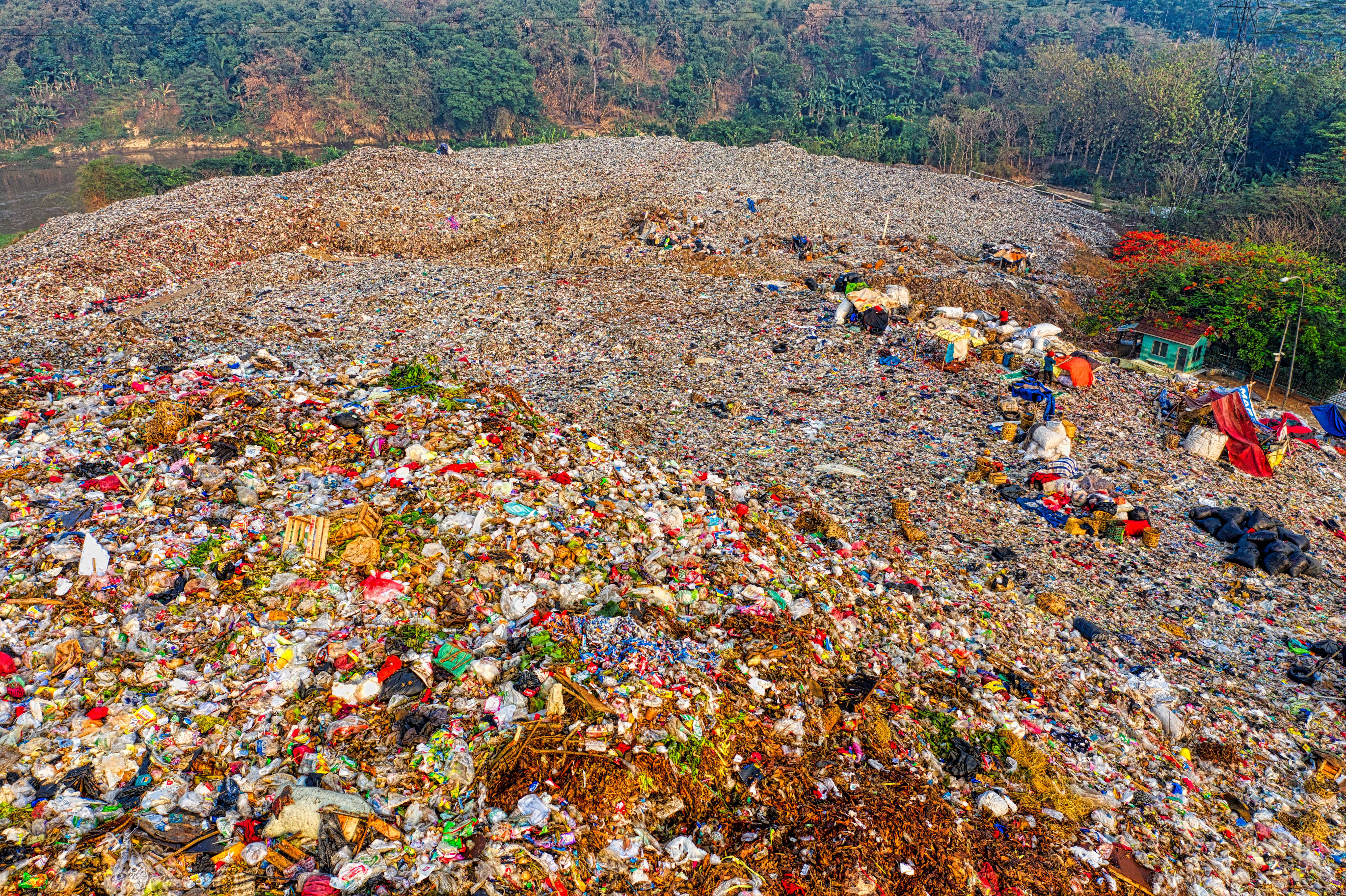
Clothing overconsumption has become one of the fashion industry's largest environmental challenges. While second-hand marketplaces already exist, many consumers still prefer buying new clothing because it feels easier, faster and more appealing. Our goal was not to redesign Sellpy for the sake of aesthetics, but to explore how UX design could encourage more people to choose second-hand and sell clothing they no longer use.
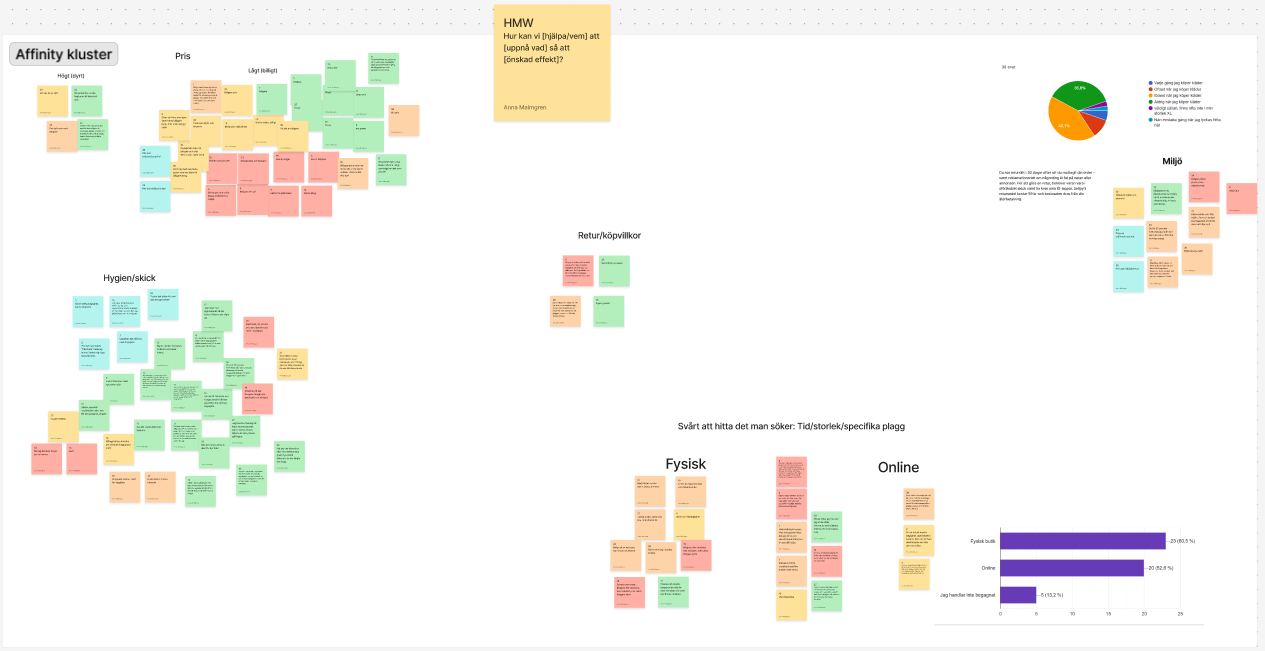
Through interviews, usability testing and early prototype evaluations we identified several recurring patterns:
These insights became the foundation for every design decision throughout the project.
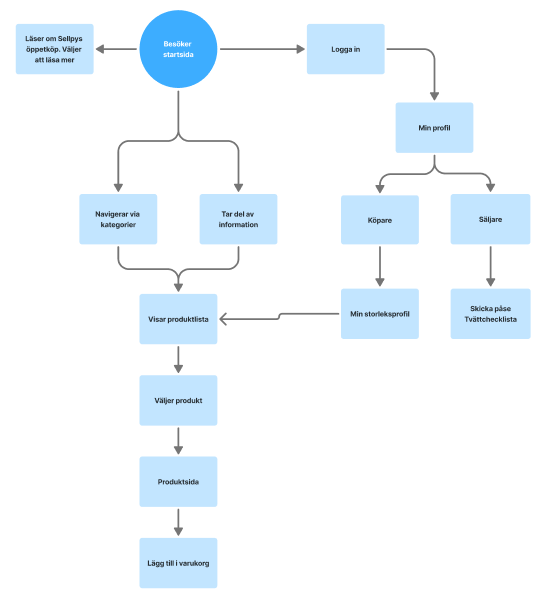
Based on our research, we redesigned key parts of the experience with a focus on reducing friction, increasing trust and making sustainable shopping feel as intuitive as traditional e-commerce. The design process included ideation, wireframing, interaction design, iterative prototyping and continuous testing.
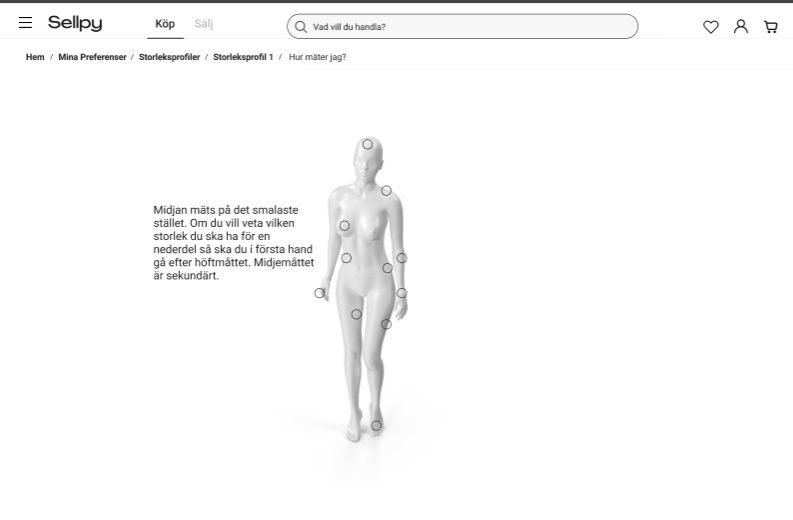
The prototype includes a measurement guide designed to reduce uncertainty and help users feel more confident when choosing second-hand clothing online.
Behind the Design
The project began by exploring one central question: How can UX design encourage more sustainable clothing consumption? Using Sellpy as the design platform, the process combined user interviews, behavioural insights and iterative prototyping to identify opportunities that could make buying and selling second-hand clothing feel easier, more trustworthy and more rewarding.
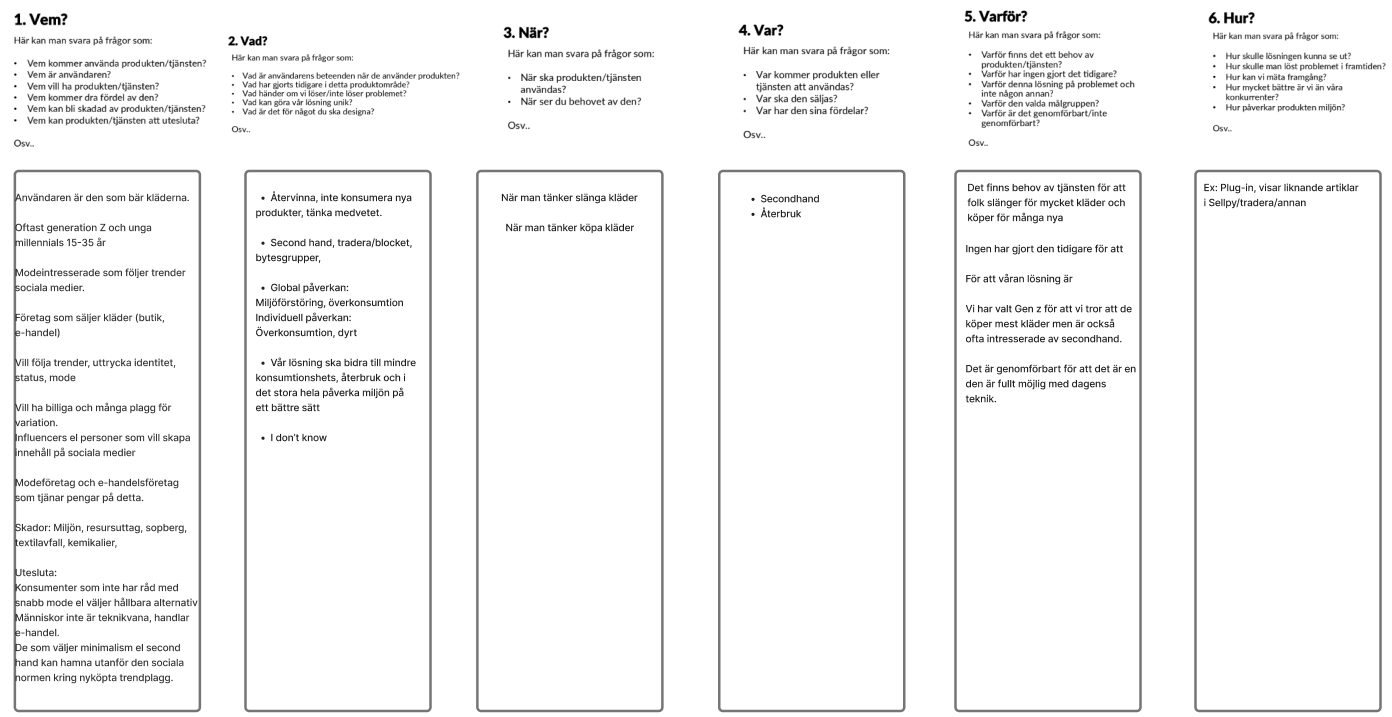
Interview questions were used to understand attitudes toward second-hand clothing, overconsumption and what prevents users from buying or selling used items.
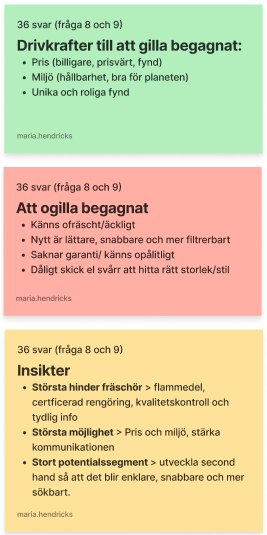
Research findings were synthesised into key opportunity areas, helping define where UX could reduce friction, increase trust and motivate more sustainable purchasing behaviour.
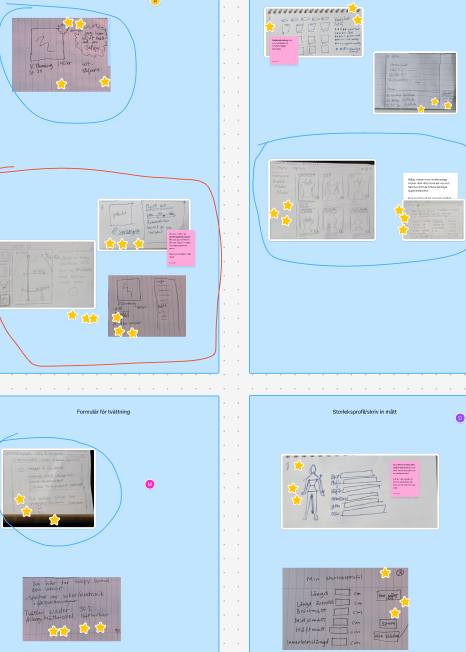
Multiple concepts were explored through wireframes and interaction flows before moving into higher-fidelity designs. Each iteration focused on simplifying navigation and strengthening user confidence.
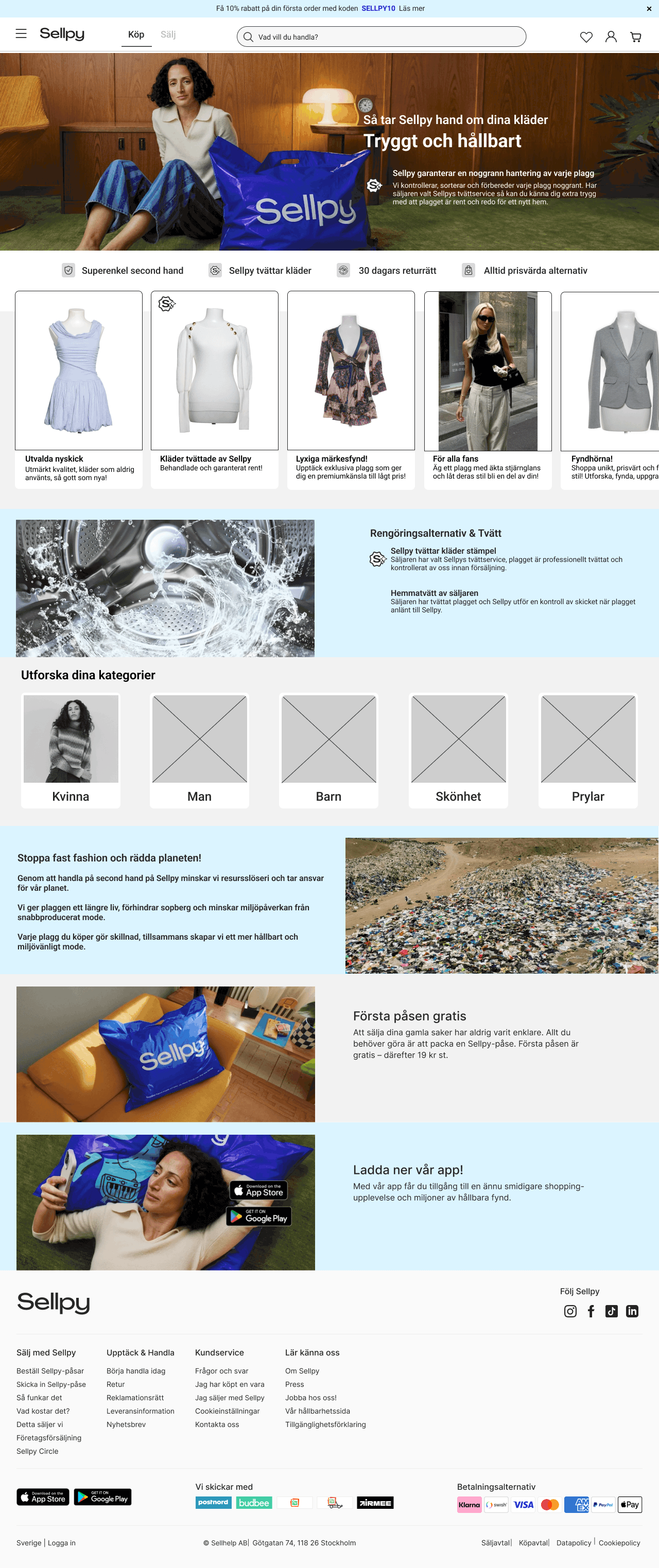
The prototype explored how clearer structure, stronger product presentation and more visible sustainability cues could support second-hand shopping.
Sustainable choices are rarely driven by information alone. Reducing friction and increasing motivation are equally important design challenges.
User interviews challenged many of our initial assumptions and shaped every major design decision throughout the project.
Designing for sustainability means balancing environmental goals with experiences that feel convenient, trustworthy and enjoyable for users.
Reflection
This project strengthened my belief that thoughtful UX design can influence behaviour and support more sustainable choices. Understanding why people hesitate to buy second-hand became just as important as improving the interface itself.
Working with research, interviews and usability testing reinforced the importance of validating design decisions through real user insights—an approach I will continue applying in future projects.